The terms "glass of water" and "cup of water" are often used interchangeably in everyday conversation, yet they carry fundamentally different meanings based on their purpose and precision. The distinction between the two lies in the difference between a serving vessel and a standardized unit of measurement.
The Cup: A Unit of Precision
The cup of water is defined by its role as a precise, fixed quantity. In professional contexts, particularly in cooking, baking, and scientific measurement, the cup is a standardized unit of volume. In the US Customary System, one cup is precisely defined as 8 fluid ounces (approximately 237 milliliters). Similarly, the metric cup is a standard 250 milliliters.
This precision is critical in recipes, where the successful outcome often depends on the exact ratio of ingredients. When a recipe calls for "one cup of water," it requires the use of a properly calibrated measuring cup to ensure the accuracy necessary for consistency. The cup is, therefore, a mathematical concept used for replication and reliability.
The Glass: A General Container
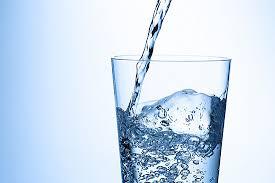
In contrast, the glass of water refers to the actual container from which a person drinks, making it an approximate and highly variable quantity. There is no industry standard for the volume of a "glass." A glass could be a small 6-ounce juice tumbler, a standard 8-ounce beverage glass, or a large 16 ounce pint glass.
This term is predominantly used in hydration and health contexts, such as the common advice to "drink eight glasses of water a day." While this advice often implies an assumed volume (typically 8 fl oz), the actual amount consumed can differ significantly depending on the drinker's choice of glassware. The glass is a vessel for consumption, not an instrument for measurement.
In essence, the difference is one of function: A cup is a specific volume used for accuracy and standardization, necessary when precision matters. A glass is a general container used for consumption and convenience, where the volume is variable. While the volume of a cup of water is constant across contexts, the volume of a glass of water changes every time you pick up a different piece of drinkware.



Messages
The terms "glass of water" and "cup of water" are often used interchangeably in everyday conversation, yet they carry fundamentally different meanings based on their purpose and precision. The distinction between the two lies in the difference between a serving vessel and a standardized unit of measurement.
The Cup: A Unit of Precision
The cup of water is defined by its role as a precise, fixed quantity. In professional contexts, particularly in cooking, baking, and scientific measurement, the cup is a standardized unit of volume. In the US Customary System, one cup is precisely defined as 8 fluid ounces (approximately 237 milliliters). Similarly, the metric cup is a standard 250 milliliters.
This precision is critical in recipes, where the successful outcome often depends on the exact ratio of ingredients. When a recipe calls for "one cup of water," it requires the use of a properly calibrated measuring cup to ensure the accuracy necessary for consistency. The cup is, therefore, a mathematical concept used for replication and reliability.
The Glass: A General Container
In contrast, the glass of water refers to the actual container from which a person drinks, making it an approximate and highly variable quantity. There is no industry standard for the volume of a "glass." A glass could be a small 6-ounce juice tumbler, a standard 8-ounce beverage glass, or a large 16 ounce pint glass.
This term is predominantly used in hydration and health contexts, such as the common advice to "drink eight glasses of water a day." While this advice often implies an assumed volume (typically 8 fl oz), the actual amount consumed can differ significantly depending on the drinker's choice of glassware. The glass is a vessel for consumption, not an instrument for measurement.
In essence, the difference is one of function: A cup is a specific volume used for accuracy and standardization, necessary when precision matters. A glass is a general container used for consumption and convenience, where the volume is variable. While the volume of a cup of water is constant across contexts, the volume of a glass of water changes every time you pick up a different piece of drinkware.
No its colored light projected from a screen
In english grammar its GLASS OF WATER
It's a GLASS of water
no that's clearly some pervert pissing into a glass
UMM NO it's a waterfall
No it’s an image ._.